Armania: A Delicate Handwritten Font for Editorial Design and Digital Publishing
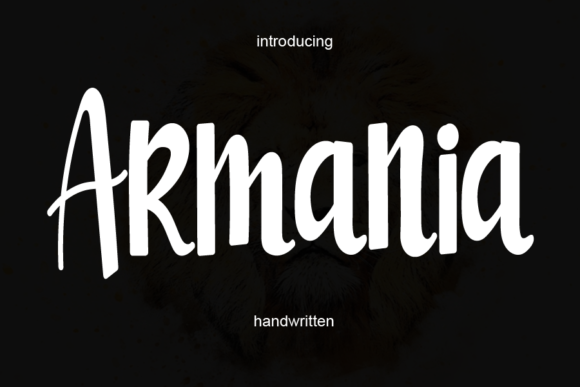
As a content creator who regularly designs newsletters, blog headers, and digital publications, I’m always on the lookout for fonts that combine personality with practicality. Armania, a soft and elegant handwritten typeface, has become a go-to in my design toolkit. It strikes a balance between whimsy and professionalism, making it ideal for editorial projects that require a warm, approachable tone without sacrificing readability.
Armania falls under the Script & Handwritten category, but it’s not overly ornate. Its delicate strokes and natural flow evoke the charm of chalkboard writing, yet it maintains clarity that works well across digital and print formats. Whether used for a quote graphic on Instagram or a lead-in paragraph in a digital magazine, Armania brings a human touch that sets it apart from more rigid script fonts.
How Armania Enhances Editorial Layouts
In editorial design, hierarchy and mood are key. Armania excels as a display font for titles, cover text, and section headings. Its unique character makes it especially effective in projects where visual storytelling is central—think lifestyle blogs, recipe ebooks, or wedding planning guides. When used sparingly, it adds a distinctive flair that draws the reader in without overwhelming the layout.
For example, in a digital newsletter, I’ve used Armania for pull quotes and subheadings to break up longer blocks of text. The font’s softness contrasts nicely with more structured body fonts like serif or sans serif typefaces, creating a layered, engaging reading experience. Similarly, in a printable workbook for a coaching course, I used Armania for chapter openers and callout boxes, giving the document a personal, curated feel.
Best Use Cases for Armania
While Armania isn’t suited for long-form body text due to its decorative nature, it shines in supporting roles:
- Blog headers and featured quotes – Adds a personal touch to article visuals.
- Ebook covers and chapter titles – Enhances the emotional tone of the content.
- Newsletter graphics and lead magnets – Makes promotional content feel more intimate.
- Printable planners and worksheets – Complements minimalist designs with a hint of warmth.
- Social media captions and quote images – Matches the casual, conversational tone of platforms like Instagram.
Its versatility makes it a strong contender for both digital and print publishing. When exporting to PDF or designing for mobile layouts, Armania retains its clarity, especially at larger sizes. For print, it performs well in packaging design, logo design, and creative branding materials where a handcrafted aesthetic is desired.
Pairing Armania with Other Fonts
One of the most important aspects of editorial typography is font pairing. Armania works best when combined with a clean, readable typeface. For instance, pairing it with a classic serif like Georgia or a modern sans serif like Open Sans creates a balanced visual rhythm. In a recent digital magazine layout, I used Armania for the cover title and paired it with a light sans serif for navigation menus and captions. The contrast helped guide the reader’s eye and reinforced the publication’s brand identity.
For a wedding guide ebook, I paired Armania with a cursive script for chapter titles and a simple serif for body text. This layered approach gave the publication a cohesive yet expressive look. When designing a minimalist blog theme, I used Armania for featured quotes and paired it with a monospaced font for code snippets and technical notes—showing how adaptable it can be across different content types.
Design Details and Language Support
Armania includes a range of stylistic alternates, ligatures, and multiple weights, which adds depth to editorial projects. These features allow for subtle customization without needing additional fonts. I’ve used the lighter weight for captions and the bold version for section headers, maintaining visual consistency throughout the layout.
The font also supports multilingual characters, which is a key consideration for creators with international audiences. Whether designing a bilingual newsletter or a global brand asset, Armania’s language support ensures it remains readable and stylistically consistent across different scripts.
Practical Considerations for Content Creators
When choosing fonts for commercial use—whether in templates, digital downloads, or client publications—it’s essential to verify licensing terms. Armania is available as a commercial font, which means it can be safely used in ebooks, printables, paid newsletters, and client-facing design assets. This flexibility makes it a reliable choice for independent creators who need premium fonts without legal concerns.
For those using design tools like Canva, Adobe InDesign, or Figma, Armania integrates smoothly and behaves predictably across platforms. It scales well from screen to print, maintaining its charm whether used in a social media graphic or a printed workbook. Its performance in web design is also noteworthy, especially when applied via web-safe font hosting services that ensure fast loading and cross-browser compatibility.
Why Armania Stands Out Among Script Fonts
In the world of modern typography, many script fonts lean toward the dramatic or the overly stylized. Armania carves a niche by offering a more delicate, approachable alternative. It’s a script font that doesn’t scream for attention but instead invites the reader in with its quiet elegance. This makes it especially effective in projects where warmth and authenticity are key—like personal blogs, creative brands, and educational content.
As a publisher, I appreciate how Armania contributes to brand identity. Used consistently across covers, headers, and promotional graphics, it becomes a visual signature. Readers begin to associate that soft, handwritten tone with the content itself, reinforcing recognition and trust. Whether you’re designing a digital magazine or a downloadable guide, Armania offers a cohesive, editorial-ready solution that supports both aesthetics and engagement.