Pillowtalk: A Handwritten Font for Creative Makers
The afternoon light was streaming across my worktable, illuminating a stack of cream-colored cardstock and a half-empty mug of coffee. I was in the middle of designing labels for a new batch of lavender-scented candles, but something felt off. The clean, modern sans serif font I had been using felt too corporate, too cold for the cozy, handmade vibe I wanted to convey. I needed something with more soul, something that looked like it was written by a friend rather than printed by a machine. That is when I discovered Pillowtalk.
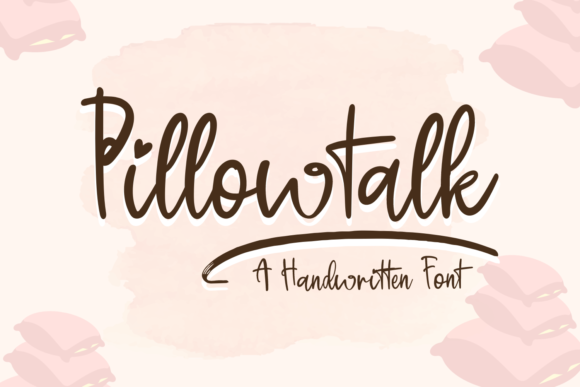
As soon as I opened the file, the difference was immediate. Pillowtalk is not just another script amp; it is a beautiful handwritten font that breathes life into any creative project. It carries a natural rhythm, mimicking the slight imperfections and flowing curves of real pen strokes on paper. For a crafter or small business owner, finding a typeface that bridges the gap between professional polish and personal touch can be the key to standing out in a crowded market.
Bringing Pillowtalk to Life on Product Labels
I decided to test Pillowtalk immediately on my candle labels. The goal was to create a sense of warmth and intimacy, inviting the customer to imagine the scent before they even unboxed the product. As I typed "Lavender Dreams" into my design software, the letters formed with a graceful, organic flow. Unlike rigid display fonts, this script font feels approachable and gentle. It transformed a simple paper label into a piece of art that suggested care and attention to detail.
Using a premium font like this elevates the perceived quality of your merchandise instantly. When a customer holds a candle with a label featuring such a charming handwritten style, they subconsciously associate that aesthetic with the product inside. It signals that this is a boutique item, crafted with love, rather than a mass-produced commodity. Whether you are designing packaging for soaps, jams, or jewelry, Pillowtalk adds an emotional layer to your brand identity that standard typefaces simply cannot match.
Perfect for Short Phrases and Decorative Wording
While Pillowtalk is stunning, it is important to understand its strengths as a display font. Like many high-quality script fonts, it shines brightest when used for short phrases, names, titles, and decorative wording. In my candle label design, I used it for the product name and a small tagline, but I paired it with a clean sans serif font for the ingredient list and safety warnings. This is a crucial rule of thumb in typography: use script fonts for impact and emotion, and reserve legible, structured fonts for information-heavy text.
This distinction ensures readability without sacrificing style. If you try to write long paragraphs in a flowing script, the text can become difficult to read, especially at smaller sizes. However, for headlines on greeting cards, welcome messages on wedding invitations, or bold statements on tote bags, Pillowtalk is absolutely perfect. It commands attention while maintaining a soft, inviting presence.
Expanding Your Creative Toolkit
Once I saw how well the font worked on the candle labels, my mind began racing with other possibilities. The versatility of Pillowtalk makes it an essential asset for any maker's digital library. Imagine using it to design custom planner pages where the weekly headers feel personal and encouraging. Or perhaps creating printable wall art with inspirational quotes that look hand-lettered, adding a touch of elegance to a nursery or living room.
For those who enjoy working with cutting machines like Cricut or Silhouette, this font offers excellent results. The lines are distinct enough to cut cleanly from vinyl or heat transfer material, making it ideal for stickers, mugs, shirts, and seasonal craft designs. I tested a few sticker mockups, and the way the swashes and ligatures interacted with the die-cut edges created a professional finish that rivals expensive commercial branding.
Consider the application in wedding stationery. A wedding invitation suite often relies on a specific mood, and a handwritten font can set the tone perfectly. Using Pillowtalk for the couple's names or the phrase "You Are Invited" creates a romantic, bespoke feel. Similarly, for boutique tags and packaging, it turns a simple cardboard box into an experience. When customers open their order and see a thank-you note or a hangtag designed with such a lovely typeface, it enhances their unboxing experience and fosters brand loyalty.
Mastery Through Font Pairing
To truly master the use of Pillowtalk, one must learn the art of font pairing. Because it is a dynamic script font, it needs a partner that provides stability and contrast. A simple serif font or a geometric sans serif works beautifully alongside it. The clean lines of the secondary font allow the personality of Pillowtalk to shine without competing for attention.
In editorial design and social media graphics, this combination is powerful. You might use Pillowtalk for a headline on an Instagram post about your new collection, while keeping the caption text in a readable sans serif. This hierarchy guides the viewer's eye and ensures your message is both beautiful and clear. It is a staple technique in modern typography that helps maintain brand consistency across all your platforms, from your website to your physical shop signage.
Technical Considerations for Sellers
Before integrating any new font into your business workflow, there are practical details to consider. First, check the included styles and features. Does Pillowtalk come with alternates, ligatures, or swashes? These extra characters can add unique flourishes to your logo design or special occasion cards, giving your work a truly custom look. Additionally, ensure the file formats are compatible with your design software, whether you are working in Adobe Illustrator, Canva, or a cutting machine interface.
Most importantly, always verify the commercial font licensing. As a seller creating physical products, templates, printables, or SVG-style designs, you need the right permissions to sell items featuring the font. A commercial license allows you to use the typeface in your merchandise and digital downloads without legal issues. Always review the terms to ensure you are covered for the scale of your business, whether you are selling a handful of items or scaling up to a larger operation.
Finally, keep readability in mind for different mediums. While Pillowtalk looks fantastic on a large farmhouse sign or a wedding welcome board, test it on smaller applications like tiny stickers or product tags. Ensure the letter spacing and stroke weight remain clear when scaled down. A quick print test can save you from wasted materials and ensure your final product looks as good in reality as it does on your screen.
From the moment I first applied Pillowtalk to my candle labels, it became a favorite tool in my creative arsenal. It is more than just a font; it is a way to inject personality and warmth into every project. Whether you are a seasoned graphic artist or a hobbyist just starting your handmade journey, having a versatile, beautiful script font like this can transform your ideas into tangible, sellable art. It invites connection, tells a story, and ultimately, helps your brand speak directly to the hearts of your customers.